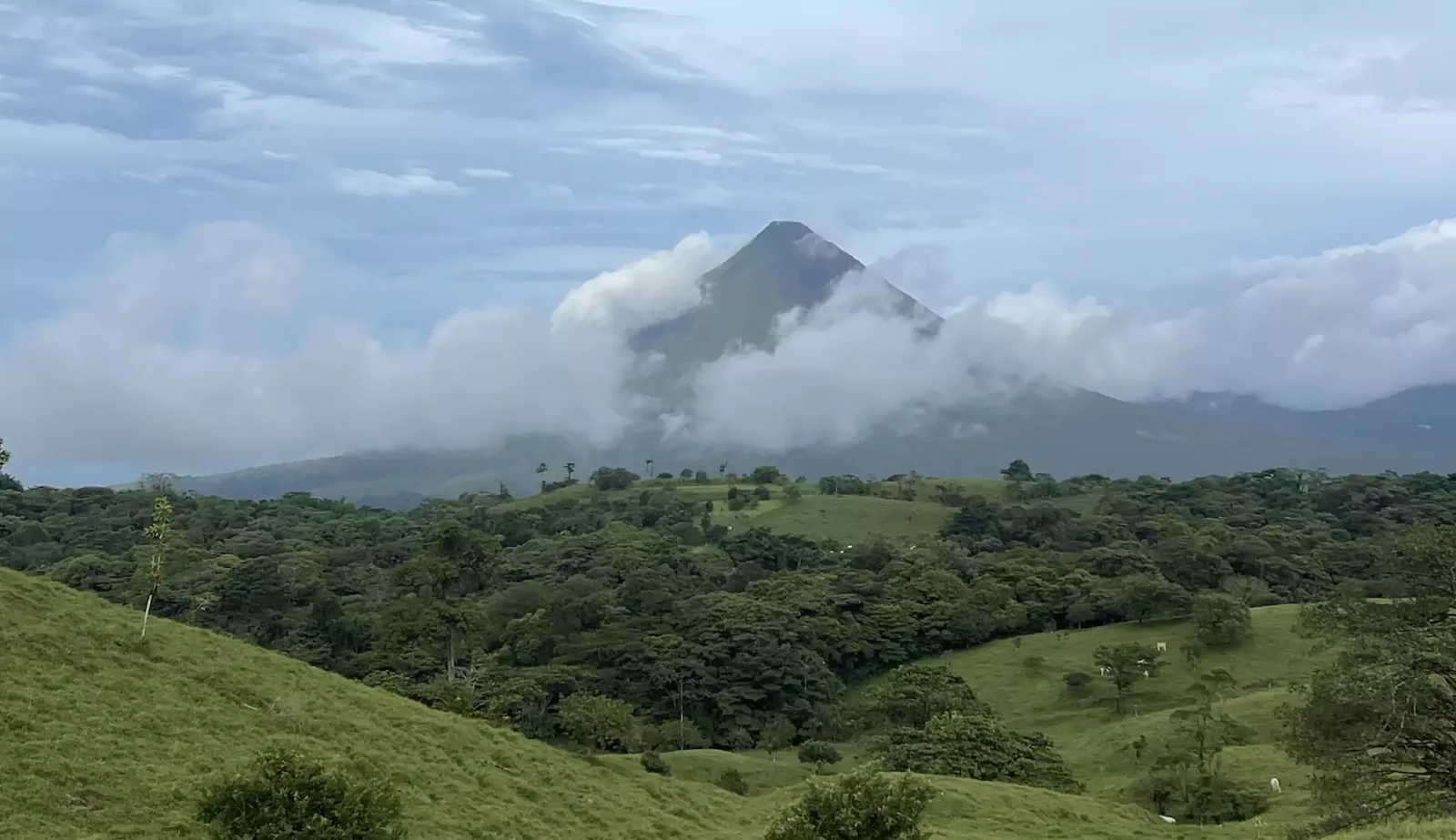

Why North Americans retire in Costa Rica: health, community and cost, with specific points for Canadians and U.S. citizens and the trade-offs to weigh.
For many North Americans looking for an ideal place to retire, Costa Rica is a top choice, offering a blend of natural beauty, a warm climate and a welcoming community.
Whether you are Canadian or American, the “pura vida” lifestyle in Costa Rica promises a retirement filled with adventure, tranquillity and a sense of community.
Retirement in Costa Rica: a universal appeal
1. Health and wellbeing
Accessible healthcare. Costa Rica has a reliable healthcare system with both public and private options, and retirees have access to good-quality services. Standards vary by facility and location, so check what is available near the area you are considering.
Healthy lifestyle. The country’s emphasis on a healthy lifestyle, abundant fresh produce and outdoor activities all contribute to a fulfilling, wellness-centred retirement.
2. Social life and community
Welcoming culture. Costa Ricans, known as Ticos, are renowned for their warm and friendly nature. Retirees often find it easy to join local communities, which fosters a sense of belonging.
Expatriate communities. Vibrant expatriate communities, particularly in popular regions such as the Central Valley and coastal areas, give retirees opportunities to connect with like-minded people. Our guide to beach versus city living compares the two settings.
3. Financial considerations
Cost of living. While the cost of living has risen, Costa Rica remains more affordable than many North American cities. Retirees can enjoy a comfortable lifestyle without compromising on quality, though costs vary by town and by lifestyle.
Economic stability. Costa Rica’s relatively stable economy contributes to a sense of financial security for retirees, and the country’s commitment to education and sustainable practices bodes well for long-term stability.
Retirement in Costa Rica: tailored insights for Canadians
1. Healthcare considerations
Provincial health coverage. Canadian retirees should look into how to maintain provincial health coverage while living abroad. Some provinces require residents to spend a certain number of days in the province to keep their coverage.
Supplemental health insurance. Supplemental health insurance is advisable to cover services not included in the public healthcare system, or care needed during trips back to Canada.
2. Financial planning
Currency exchange. Canadian retirees should consider the effect of exchange rates. Fluctuations can affect the purchasing power of Canadian dollars in Costa Rica.
Pension income. Canada’s pension plans, such as the Canada Pension Plan (CPP) and Old Age Security (OAS), can generally continue for Canadians living in Costa Rica. How much OAS is paid abroad depends on how long you lived in Canada, so confirm your own entitlement with the Canadian authorities.
Retirement in Costa Rica: tailored insights for U.S. citizens
1. Social Security benefits
Access to Social Security. U.S. citizens continue to receive Social Security benefits while living in Costa Rica, providing a stable source of income.
Medicare considerations. Retirees should be aware that Medicare coverage is generally not available outside the United States. Exploring international health insurance options is crucial for comprehensive coverage.
2. Tax considerations
Foreign Earned Income Exclusion. U.S. citizens may be eligible for the Foreign Earned Income Exclusion, which allows a certain amount of foreign-earned income to be excluded from U.S. taxation. It applies to income earned from work, not to most retirement income such as Social Security or pensions, so take advice on your own situation.
Tax planning. Understanding the tax implications in both Costa Rica and the United States is essential for effective financial planning in retirement.
Considering the trade-offs: proximity to family and beyond
1. Proximity to family
Family dynamics. One consideration for retirees is the physical distance from family in North America. Assessing how much being near family matters to you is crucial to making an informed decision.
2. Language and cultural adjustment
Embracing change. Embracing the Spanish language and adapting to Costa Rican culture may present challenges, but the rewards include a richer, more immersive retirement.
In conclusion: embarking on a pura vida retirement
Costa Rica’s appeal as a retirement destination lies in its commitment to sustainability, thriving natural landscapes and a welcoming community. Whether you are Canadian or American, the decision to retire in Costa Rica involves careful thought about health, community, financial stability and closeness to loved ones. With a well-thought-out plan and an openness to the pura vida lifestyle, retirees can enjoy the beauty of Costa Rica, creating a fulfilling and enriching chapter of life among lush landscapes and warm communities.
If you are thinking of buying a home to retire in, see our guides to U.S. and Canadian financing and escrow services. Residency options for retirees, and the income they require, are set by the authorities and change, so confirm them with a Costa Rican attorney.
Thinking of retiring in Costa Rica?
We can help you find the right area and the right home. Tell us what you are looking for and we will send a shortlist that fits.
This is general information, not legal, immigration, tax, health or financial advice. Benefit rules, residency requirements and tax treatment differ by country and individual and change over time; check them with the relevant authorities and a qualified adviser.