


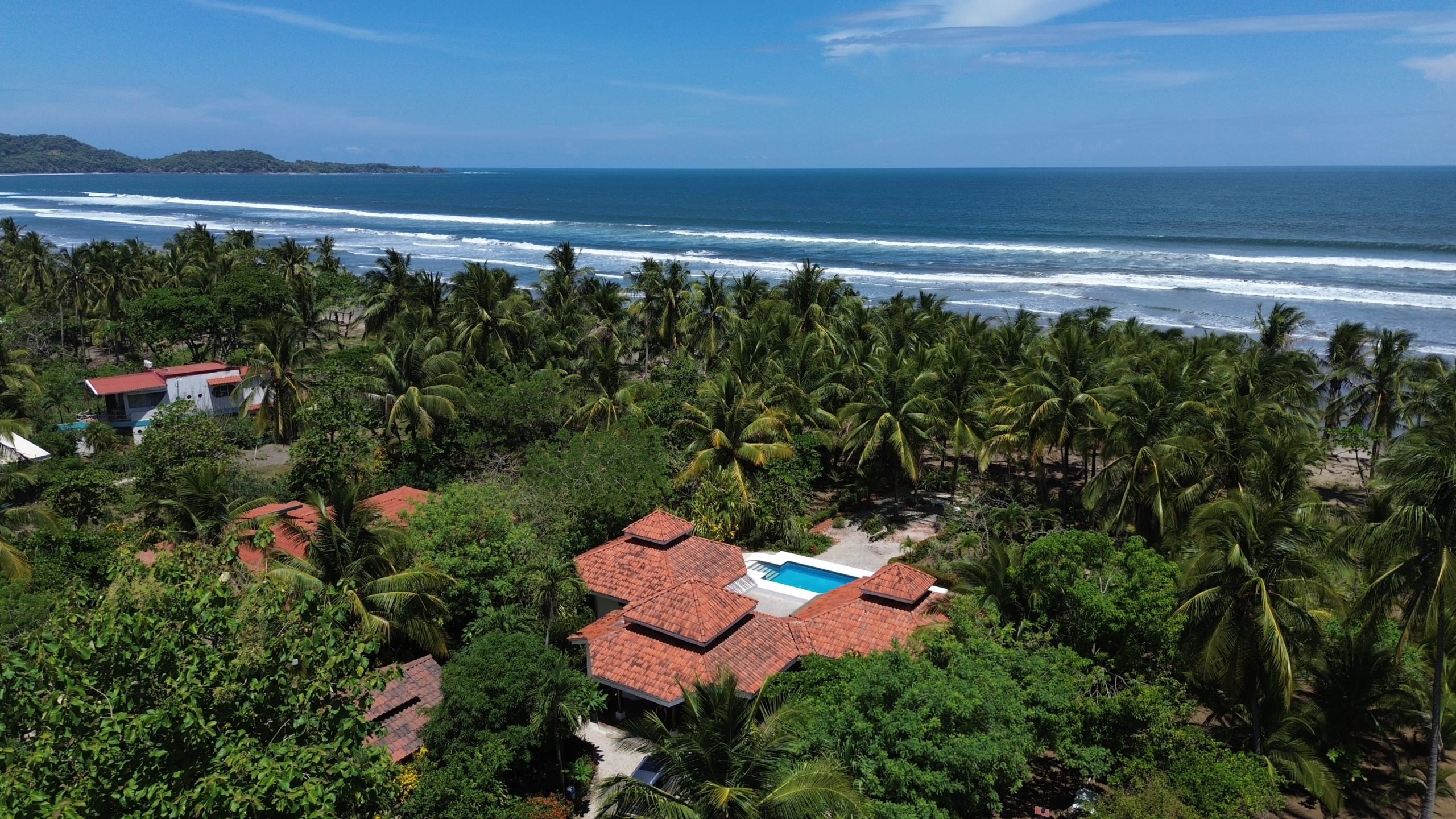
Navigating a premium oceanfront concession Costa Rica real estate structure requires specialized legal knowledge for international buyers. Unlike standard titled properties found further inland, beachfront real estate follows a unique government lease framework. Therefore, understanding the mechanics of an official oceanfront concession Costa Rica regulatory system ensures a safe and transparent acquisition. Consequently, savvy investors can legally develop luxury coastal projects while strictly protecting their international capital under local maritime laws.
Whether you are looking to build a boutique resort or purchase a private tropical villa, beachfront investments require absolute precision. This comprehensive guide outlines the rules governing the country’s most spectacular coastlines.
📌 Critical Definition: The first 200 meters of land starting from the high-tide line constitutes the Maritime Terrestrial Zone (Zona Marítimo Terrestre – ZMT). The first 50 meters are strictly public domain and nobody can build upon them. The remaining 150 meters are known as the Restricted Zone and can only be occupied through an officially granted municipal concession.
Why Buy an Oceanfront Concession Costa Rica Property?
An official concession is essentially a long-term lease granted by the local municipality for a specific period. Usually, these government contracts are issued for timelines ranging between 20 and 40 years. Furthermore, owners maintain a fully renewable right to occupy and develop the land according to municipal zoning plans (Plan Regulador). Because the state technically owns the underlying land, buyers pay an annual canon or lease fee to the local government. This financial structure guarantees that your coastal estate remains legally compliant and fully protected against future administrative disputes.
Essential Legal Requirements for Foreign Buyers
To acquire a beachfront lease in the restricted maritime zone, international investors must comply with specific ownership restrictions. The law dictates that:
- Foreign individuals cannot hold a majority ownership stake (over 50%) in a concession property directly.
- Investors must utilize a Costa Rican corporation where local citizens hold at least 51% of the shares.
- Alternatively, foreigners must establish residency in Costa Rica for a minimum of five consecutive years to qualify.
- The corporate structure must be thoroughly vetted by specialized real estate attorneys before transferring any funds. To ensure the financial safety of your global transactions during this phase, we highly recommend setting up a verified account through our approved escrow services in Costa Rica.
| Titled Real Estate (Propiedad Privada) | Oceanfront Concession (Propiedad en Concesión) |
| Absolute Ownership: Registered directly under your name or corporation with no expiration date. | Leasehold Ownership: A renewable rights contract granted by the municipality for 20-40 years. |
| Location: Found anywhere outside the first 200 meters of the coastline (and rare exceptions). | Location: Situated exclusively within the restricted 150-meter strip of the Maritime Zone. |
| Foreign Restrictions: Foreigners enjoy identical buying rights and ownership percentages as locals. | Foreign Restrictions: Requires a Costa Rican corporation with 51% local shareholder participation. |
| Annual Costs: Standard property taxes amounting to 0.25%. If you plan to build a home here, review our golf course homes guide for luxury community tax examples. | Annual Costs: Annual municipal canon fees calculated based on the specific property appraisal. |
Compliance and Your Oceanfront Concession Costa Rica Asset
Navigating land acquisition along the coastline requires specialized legal guidance to ensure a safe investment. First, buyers must verify that the property has an active, legally binding contract registered at the National Registry of Costa Rica. Furthermore, confirming that the current concession holder is fully up to date with all municipal tax payments is entirely mandatory. Second, checking the official zoning guidelines managed by the Instituto Costarricense de Turismo (ICT) ensures your construction plans are permitted. Fortunately, our seasoned legal team thoroughly reviews every single public deed before closing to guarantee a seamless transaction. If your goal is to buy raw land to develop later, feel free to explore our active listings for beach land for sale in Costa Rica to compare titled options nearby.
Chronological Steps of the Oceanfront Concession Costa Rica Process
1. Concession Due Diligence and Background Checks
The sequence begins by reviewing the files at both the local municipality and the ICT. Attorneys verify the active status of the lease, the allowed land use, and the expiration date of the contract.
2. Corporate Structuring and Agreement Signing
Next, buyers execute a specialized Sale and Purchase Agreement. Simultaneously, the legal team structures the corporate entity to comply with the 51% local citizenship shareholding rule through secure trust mechanisms.
3. Municipal Transfer and Final Registration
The final deed is executed before a public notary, and a formal request is submitted to the municipality to transfer the concession rights. Once the local council and the ICT approve the transfer, the deed is officially updated in the National Registry.
Contact us today to explore our exclusive inventory of beachfront properties and secure your coastal investment with absolute confidence.

Bank Financing Costa Rica: 2026 Home Buyer Guide
Securing local mortgages allows citizens and legal residents to acquire residential properties with competitive long-term…

Tamarindo Costa Rica Real Estate: Beachfront Homes & Condos
Evaluating Tamarindo Costa Rica real estate opportunities allows international investors to enter one of Guanacaste’s…

Real Estate in Tivives Costa Rica: Investment Guide
Waldorf Astoria Papagayo: Costa Rica’s Most Exclusive Luxury Real Estate Investment Opportunity

Guanacaste Real Estate: The Ultimate Buyer’s Guide to Gold Coast Properties
As the crown jewel of Costa Rica’s tourism and luxury living, the "Gold Coast" of…
